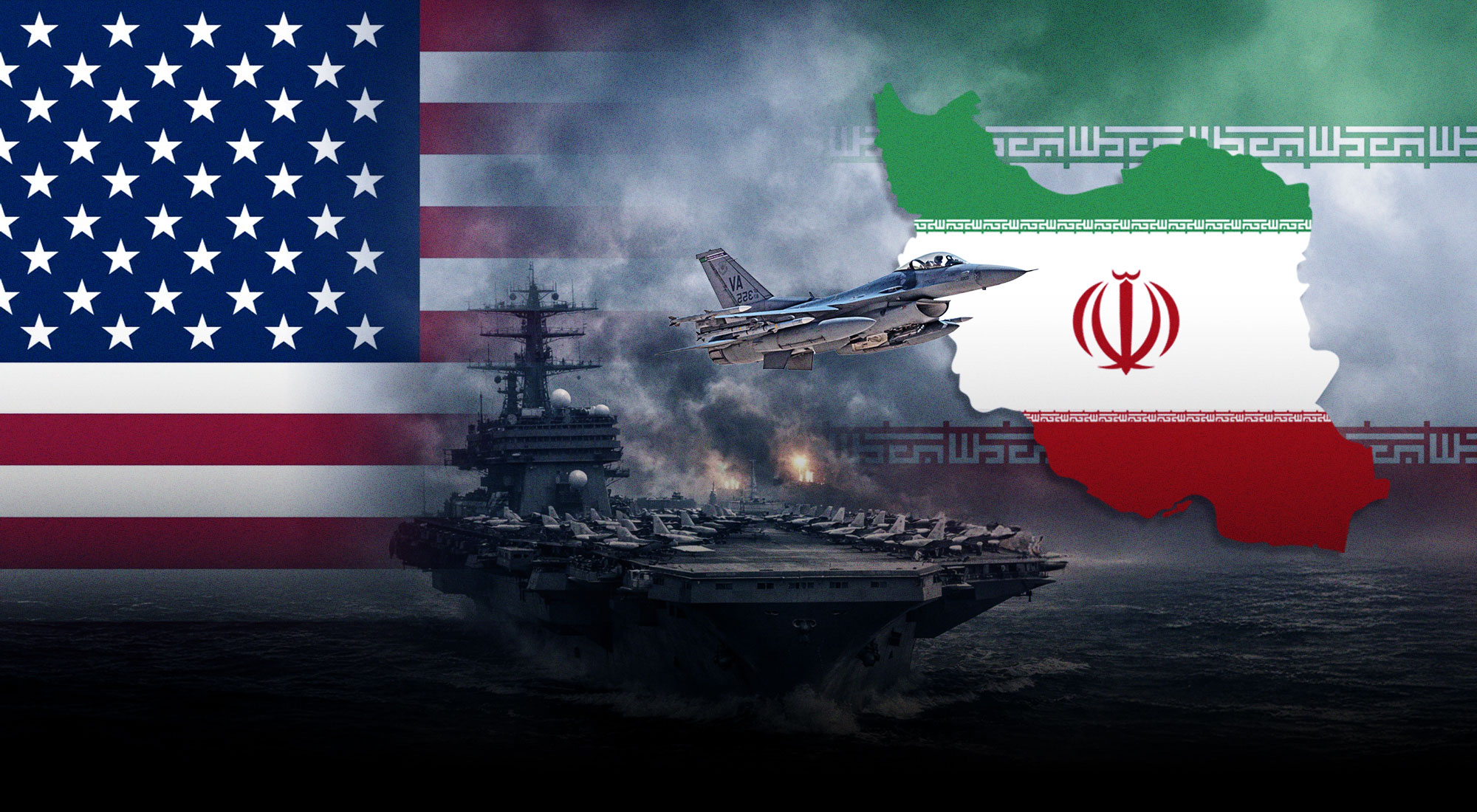
The United States–Iran war in 2026 has become one of the most dangerous global conflicts in recent history. What started as rising tensions quickly escalated into airstrikes, missile attacks, and regional instability, pushing the world to the edge of a major war.
Now, with a temporary ceasefire in place, global attention has shifted toward diplomacy and peace talks.
How the US–Iran War Started
The conflict officially escalated on February 28, 2026, when the United States (alongside Israel) launched major airstrikes inside Iran, targeting key military and government sites.
In response, Iran:
- Launched missiles and drones at U.S. bases and allies
- Targeted regional countries like Saudi Arabia
- Closed the Strait of Hormuz, disrupting global oil supply
👉 This turned tensions into a full-scale regional conflict
Major Developments in the War
1. Widespread Military Escalation
- U.S. strikes targeted infrastructure, including factories and transport systems
- Iran retaliated with ballistic missiles and drone attacks across the Middle East
- Thousands of casualties have been reported, including civilians
2. Global Oil Crisis
The closure of the Strait of Hormuz triggered:
- One of the worst energy disruptions in history
- Rising global oil prices
- Economic instability worldwide
3. Regional Expansion of Conflict
The war spread beyond Iran:
Threat of a multi-country Middle East war
Attacks on U.S. allies like Saudi Arabia
Escalation in Lebanon involving Hezbollah
Ceasefire
In a dramatic turn, the United States and Iran agreed to a 2-week conditional ceasefire in April 2026.
Key points:
- Iran agreed to reopen the Strait of Hormuz
- The U.S. paused planned large-scale attacks
- Diplomacy replaced immediate military escalation
World leaders welcomed this as a “step back from the brink”
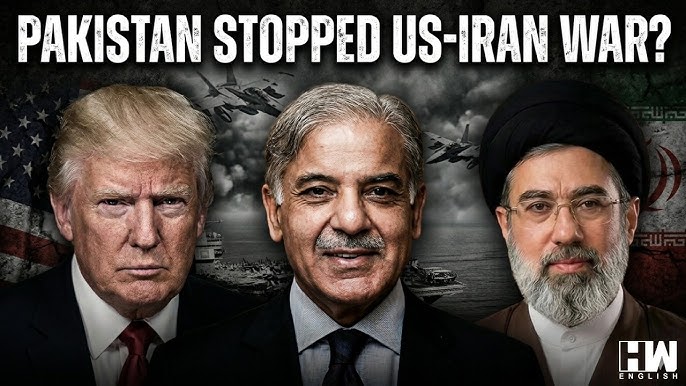
A major highlight of this conflict is the role of Pakistan.
Pakistan:
- Acted as a neutral mediator
- Facilitated communication between both sides
- Helped secure the ceasefire agreement
This has positioned Pakistan as a rising global diplomatic power.
Leave a Reply