
Islamabad talks failed between U.S.–Iran after marathon negotiations. Discover why the deal failed, key disagreements, and what it means for global tensions and oil markets.
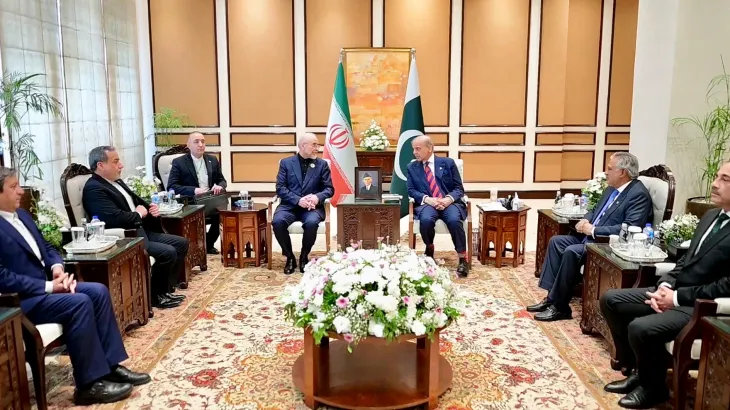
In a major setback for global diplomacy, the highly anticipated U.S.–Iran peace talks in Islamabad have officially failed, ending without any agreement after nearly 21 hours of intense negotiations.
The talks, which brought together top officials including JD Vance, were aimed at securing a long-term peace deal following a fragile ceasefire. However, deep-rooted differences proved too difficult to overcome.
What Happened in Islamabad?
Talks lasted over 20–21 hours but ended with no deal
Both the United States and Iran failed to agree on key issues
The negotiations were described as “earnest but inconclusive”
The failure now puts the fragile ceasefire at serious risk
This was one of the most important diplomatic engagements between the two nations in decades, making the collapse even more significant.
❗ Why Did the Talks Fail?
1️⃣ Nuclear Program Dispute
The biggest issue was Iran’s nuclear program.
- The United States demanded Iran abandon nuclear ambitions
- Iran refused to compromise on what it calls its sovereign rights
👉 This became the main deal-breaker
2️⃣ Sanctions & Economic Pressure
- Iran demanded lifting of sanctions and access to frozen assets
- The U.S. was not ready to fully agree immediately
👉 Result: no middle ground
3️⃣ Strait of Hormuz Control
Disagreements over the Strait of Hormuz added further tension:
- Iran wants greater control and economic leverage
- The U.S. prioritizes free global shipping routes
4️⃣ Deep Mistrust
Decades of hostility made compromise extremely difficult.
- Iran accused the U.S. of “excessive demands”
- The U.S. stated Iran rejected its final offer
👉 This shows trust gap remains huge
The failure of the Islamabad peace talks (April 2026) marks a critical moment in global geopolitics. Despite high-level engagement and intense negotiations, the United States and Iran remain far apart on key issues.
As tensions rise again, the world now watches closely to see whether diplomacy will return—or conflict will escalate once more.
Leave a Reply