US–Iran Ceasefire
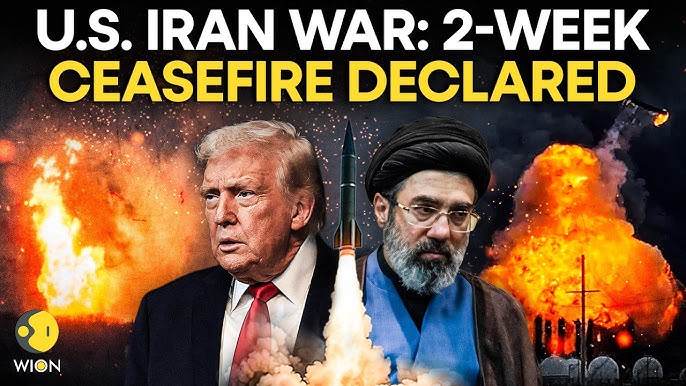
On April 8, 2026, the world witnessed a dramatic shift in global geopolitics as the United States and Iran agreed to a temporary ceasefire, stepping back from the brink of a potentially devastating conflict. What makes this development even more significant is the crucial role played by Pakistan, supported diplomatically by China.
This unexpected truce has not only prevented immediate escalation but also reshaped diplomatic narratives across the globe.
What Led to the Ceasefire?
Tensions between the United States and Iran had escalated rapidly in recent weeks, raising fears of a full-scale war in the Middle East. Military alerts, economic disruptions, and threats to global oil supply—especially around the Strait of Hormuz—put immense pressure on international stakeholders.
The ceasefire agreement, reportedly lasting two weeks, aims to:
Create space for diplomatic negotiations
Halt immediate military actions
Reopen vital trade routes
Pakistan’s Strategic Diplomatic Role
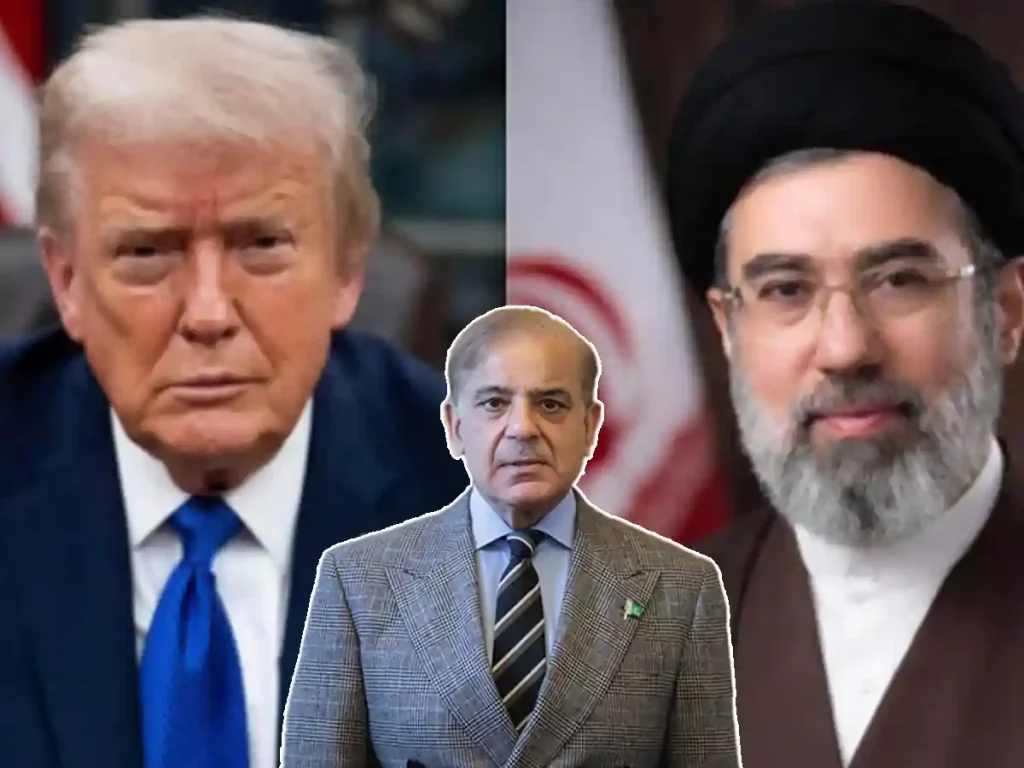
One of the most remarkable aspects of this ceasefire is the central role of Pakistan as a mediator.
Pakistan acted as a neutral communication bridge, facilitating dialogue between Washington and Tehran at a critical moment. Some diplomatic circles are even referring to this initiative as the “Islamabad Accord”, highlighting Pakistan’s rising importance in global conflict resolution.
This development strengthens Pakistan’s image as:
A trusted intermediary between major powers
A peace broker in international conflicts
A strategic player in Muslim world diplomacy
Global Impact: Oil, Economy & Security
The ceasefire has immediate and far-reaching consequences:
1. Oil Market Stability
Reopening the Strait of Hormuz ensures smoother oil flow, easing global price volatility.
2. Reduced War Risk
A temporary pause prevents immediate military escalation, giving diplomacy a chance.
3. Economic Relief
Markets worldwide respond positively to reduced uncertainty in the Middle East.
COnclusion
Despite the optimism, this ceasefire is:
- Short-term (2 weeks)
- Conditional
- Fragile
Deep-rooted tensions between the United States and Iran remain unresolved, meaning the situation could shift again quickly.
The April 8, 2026 ceasefire marks a critical moment in modern geopolitics. It showcases how diplomacy—especially led by nations like Pakistan—can still prevent conflict in a highly volatile world.
While the road ahead remains uncertain, one thing is clear:
this truce has bought the world time—and that alone is invaluable.
Leave a Reply